Rating: 5 out of 5
Wszystko zgodne z opisem
P.R. ·
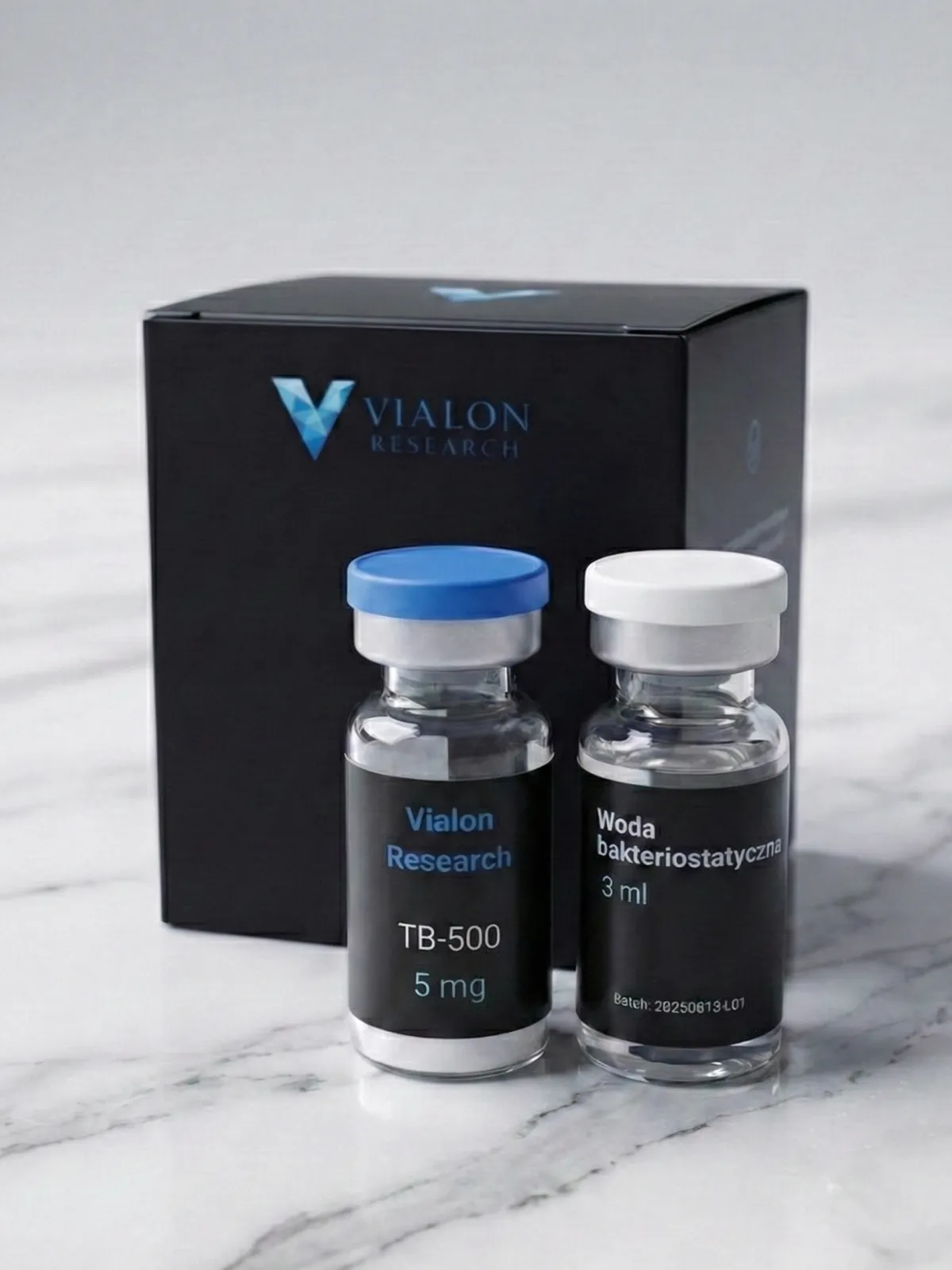
Thymosin beta-4 fragment · 43 amino acids
5.0/5 · 1 reviewPLN 149.00
Gross price, 23% VAT included
Wyłącznie do celów badawczych. Nie do użytku ludzkiego.
For research use only. Not for human use.
| Parameter | Value |
|---|---|
| Molecular formula | C₂₁₂H₃₅₀N₅₆O₇₈S |
| Molecular weight | ~4963.4 Da |
| Amino acid count | 43 |
| Sequence | Ac-SDKPDMAEIEKFDKSKLKKTETQEKNPLPSKETIEQEKQAGES |
| CAS number | 77591-33-4 |
| PubChem CID | 16132341 |
| Physical form | White lyophilized powder |
| Purity | ≥98% (RP-HPLC) |
| Classification | Chemical reagent / research material |
| Intended use | For in vitro research use only, not for use in humans or animals |
Not classified as a hazardous substance under CLP regulation. Offered as a chemical reagent for in vitro laboratory use, within the framework of applicable European Union chemical substances regulations (REACH, CLP).
Reconstitution and storage conditions:
Typical analytical equipment:
All working parameters should be selected according to the research laboratory's internal protocol. Product intended exclusively for in vitro and analytical use; not for human or animal use.
TB-500 is a synthetic peptide consisting of 43 amino acid residues, corresponding to the active domain of thymosin beta-4 (Tβ4). Thymosin beta-4 is a naturally occurring protein identified in virtually all nucleated cells of vertebrate organisms, with particularly high concentrations observed in platelets. The protein was first characterized by Allan Goldstein's team at George Washington University during research on thymic peptides.
From a structural biochemistry perspective, the key element of the TB-500 sequence is the LKKTETQ domain (residues 17-23), responsible for binding globular actin monomers (G-actin). The peptide features N-terminal acetylation (Ac-), which protects the molecule from aminopeptidase degradation and extends its presence in the research environment. The molecular weight of TB-500 (~4963 Da) is more than three times that of BPC-157 (~1419 Da), resulting in different pharmacokinetic properties in animal models.
The primary mechanism described in the literature is G-actin sequestration. TB-500 binds globular actin monomers in a 1:1 stoichiometric ratio, thereby regulating the dynamics of fibrillar actin (F-actin) polymerization. This process plays a central role in cellular cytoskeleton reorganization, which in in vitro studies on endothelial cell lines translated into enhanced cell migration and lamellipodia formation.
The LKKTETQ domain constitutes the minimal fragment necessary for biological activity of the peptide. In cell cultures, this seven-amino-acid motif has been shown to promote endothelial cell migration and actin fiber reorganization. This mechanism is fundamentally different from the pathways activated by BPC-157, which acts primarily through modulation of the nitric oxide (NO) system and stimulation of VEGF expression.
In animal models (mouse and rat), TB-500 involvement in tissue repair processes has been described, including in cardiac, dermatological, and ophthalmological models. These observations were associated with promotion of cell migration to sites of damage and modulation of inflammatory responses through cytoskeletal regulation of cells engaged in these processes.
A comprehensive review of the discovery and biological functions of thymosin beta-4 was published by Allan Goldstein et al. in 2005 [1]. The paper summarizes over three decades of research on this protein, from its isolation from calf thymus, through identification as the major intracellular G-actin-sequestering protein, to animal model studies on tissue repair. The authors described in detail the structure of Tβ4, including the key LKKTETQ actin-binding domain, and discussed tissue distribution of the protein in vertebrates.
In a landmark paper published in Nature, Bock-Marquette et al. (2004) [2] demonstrated that Tβ4 activates integrin-linked kinase (ILK) in mouse cardiomyocytes. In a mouse myocardial infarction model, enhanced cardiac cell migration and reduced damage area were observed. This work represented the first demonstration of Tβ4's role in cardioprotection in an animal model.
Smart et al. (2007) [3] published in Nature a study on adult mice demonstrating that Tβ4 reactivates epicardial progenitor cells. In the mouse model, differentiation of these cells toward the vascular lineage was described, suggesting involvement of Tβ4 in neovascularization processes in the adult heart.
Malinda et al. (1999) [4] conducted some of the first systematic studies on the effect of Tβ4 on wound healing in the rat model. In full-thickness skin wound experiments in rats, accelerated repair processes were observed in the experimental group compared to controls. In vitro studies demonstrated that Tβ4 stimulates keratinocyte and endothelial cell migration, attributed to the LKKTETQ domain-dependent actin cytoskeleton reorganization mechanism.
Sosne et al. (2002) [5] investigated the effects of Tβ4 in rodent corneal injury models (rats and mice). In a series of in vivo experiments, accelerated corneal re-epithelialization was observed following mechanical and chemical damage. In vitro studies on corneal epithelial cell lines confirmed promotion of cell migration by Tβ4, correlating with actin filament reorganization.
TB-500 is a 43-amino acid peptide with a mass of ~4963 Da, characterized by the following features:
Selected scientific publications on thymosin beta-4 (TB-500) in animal models and in vitro studies.
1. Goldstein AL, et al. (2005)
„Thymosin beta-4: actin-sequestering protein moonlights to repair injured tissues"
Trends in Molecular Medicine, 11(9):421-429
2. Malinda KM, et al. (1999)
„Thymosin beta-4 accelerates wound healing"
Journal of Investigative Dermatology, 113(3):364-368
TB-500 is a synthetic 43-amino acid peptide corresponding to the active region (amino acids 17-23) of thymosin beta-4, a naturally occurring 43-amino acid protein involved in actin regulation. CAS: 77591-33-4.
TB-500 is a 43-amino acid thymosin beta-4 fragment acting through G-actin binding and cell migration. BPC-157 is a 15-amino acid gastric peptide acting through the NO pathway and growth factors (VEGF, EGF). Both peptides are also available as a combined TB-500 + BPC-157 blend.
Store lyophilized TB-500 at -20°C to -80°C. After reconstitution in sterile water, store at 2-8°C and use within 30 days. Avoid repeated freeze-thaw cycles.
Each batch is verified by RP-HPLC (≥98% purity) and mass spectrometry. Certificate of Analysis included with every order.
TB-500 is available as a 5 mg lyophilized vial. Ships from our temperature-controlled warehouse in Poland within 24 hours.
5.0/5 · 1 review
Wszystko zgodne z opisem
P.R. ·
Your review will appear once our team has checked it. Your e-mail will not be shown publicly.
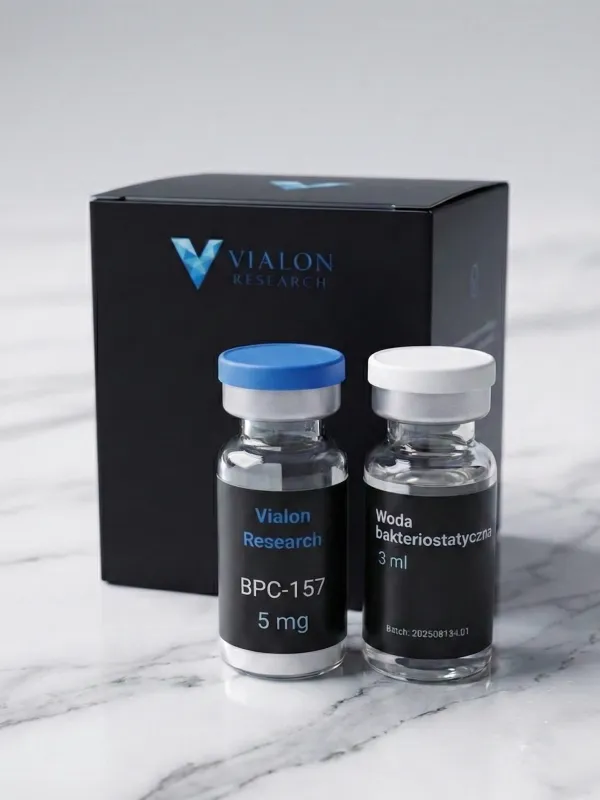
Gastric pentadecapeptide · 15 amino acids
Rated 4.7 out of 5 (3 reviews)
PLN 129.00
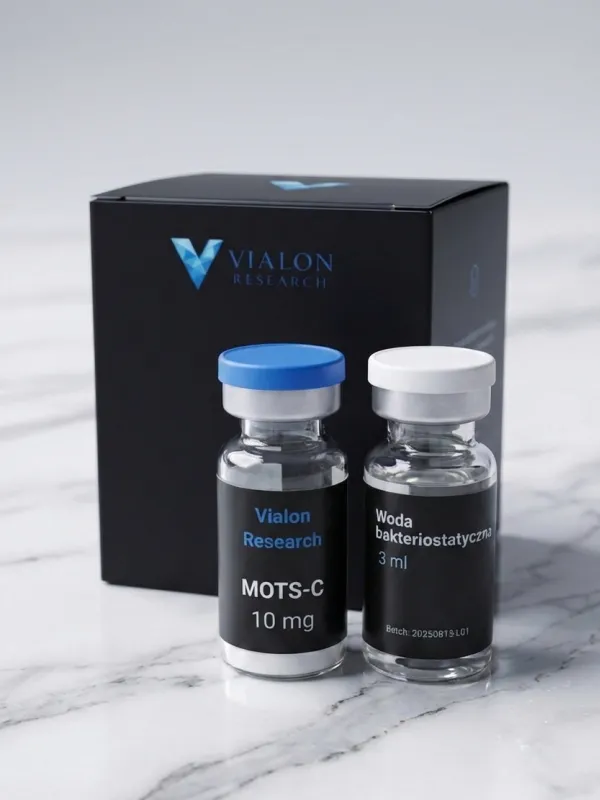
Mitochondrial-derived peptide · 16 amino acids
No reviews
PLN 129.00
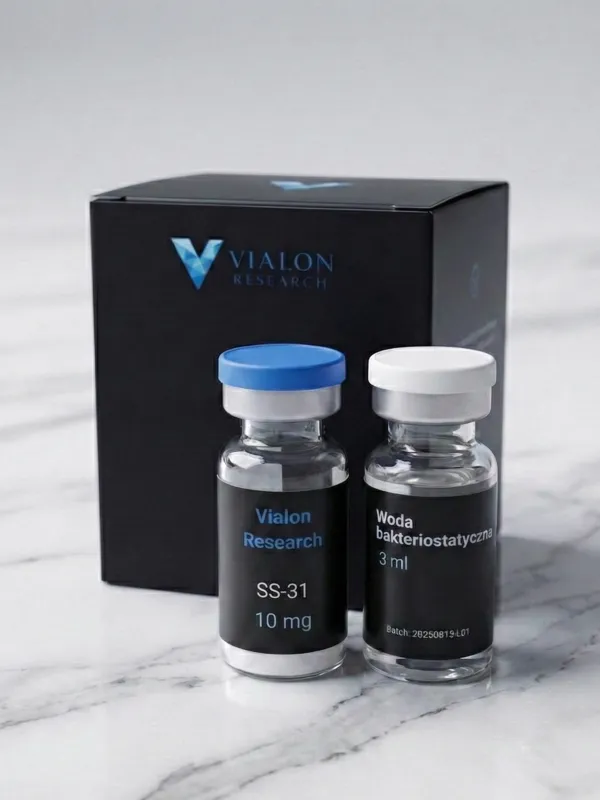
Mitochondrial tetrapeptide
No reviews
from PLN 130.00
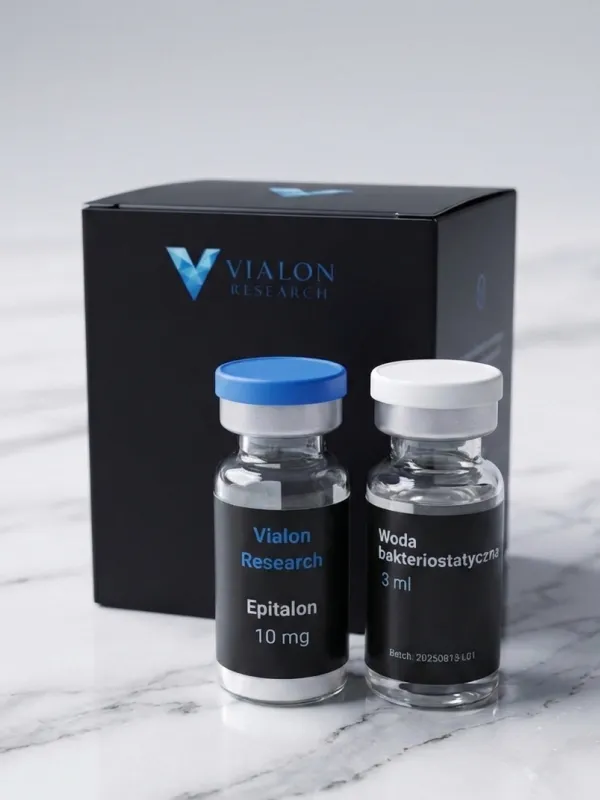
Tetrapeptide · telomerase regulator
Rated 5.0 out of 5 (1 review)
PLN 119.00
TB-500
PLN 149.00