Rating: 5 out of 5
Ok, kontakt ze sklepem bardzo sprawny
W.G. ·
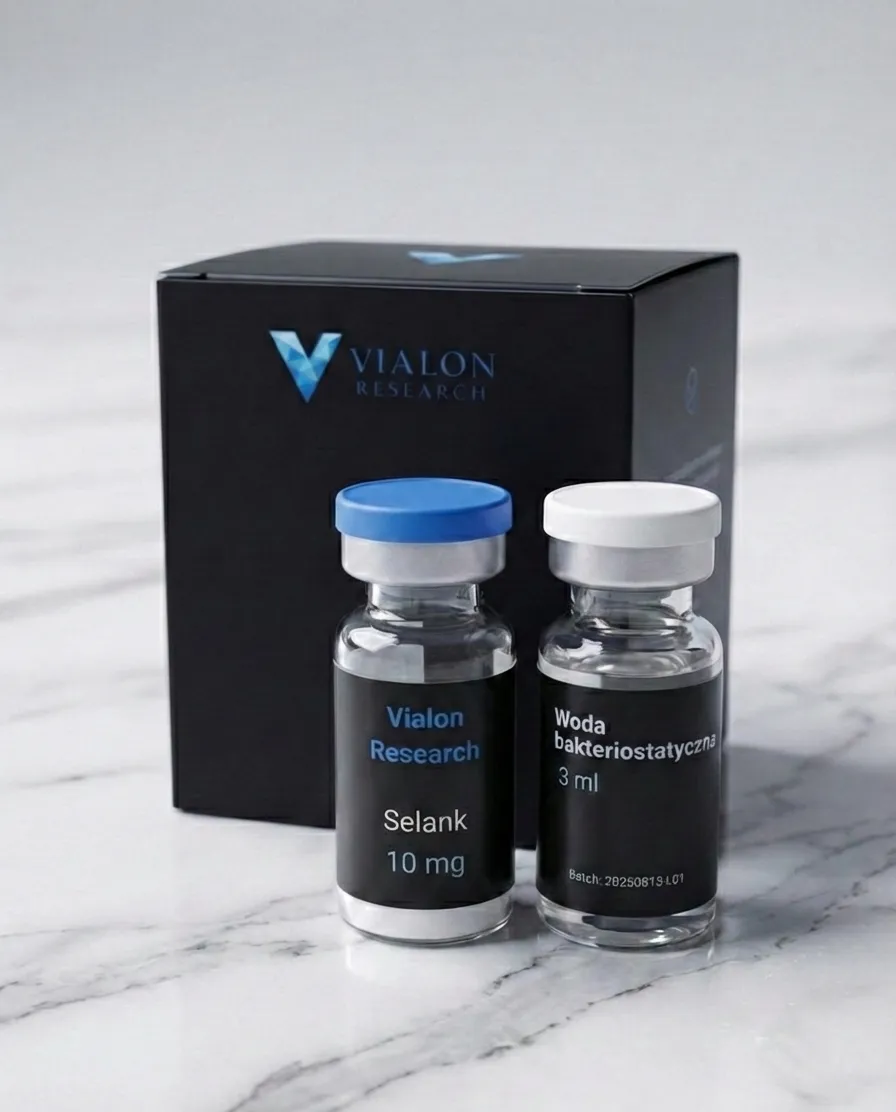
Heptapeptide · tuftsin analog
5.0/5 · 1 reviewPLN 128.00
Gross price, 23% VAT included
Wyłącznie do celów badawczych. Nie do użytku ludzkiego.
For research use only. Not for human use.
| Parameter | Value |
|---|---|
| Molecular formula | C₃₃H₅₇N₁₁O₉ |
| Molecular weight | ~751.9 Da |
| Amino acid count | 7 (heptapeptide) |
| CAS number | 129954-34-3 |
| PubChem CID | 11765600 |
| Physical form | White lyophilized powder |
| Purity | ≥98% (RP-HPLC) |
| Classification | Chemical reagent / research material |
| Intended use | For in vitro research use only, not for use in humans or animals |
Not classified as a hazardous substance under CLP regulation. Offered as a chemical reagent for in vitro laboratory use, within the framework of applicable European Union chemical substances regulations (REACH, CLP).
Reconstitution and storage conditions:
Typical analytical equipment:
All working parameters should be selected according to the research laboratory's internal protocol. Product intended exclusively for in vitro and analytical use; not for human or animal use.
Tuftsin (Thr-Lys-Pro-Arg) is a natural tetrapeptide isolated from the heavy chain of immunoglobulin G (positions 289-292), first described by Victor Najjar in the 1970s. This peptide attracted research interest due to immunomodulatory properties observed in in vitro models.
Selank extends the tuftsin sequence with the tripeptide Pro-Gly-Pro (PGP), which serves as a proteolytic stabilizer. This C-terminal modification, developed at the Institute of Molecular Genetics of the Russian Academy of Sciences (the same team that created Semax), protects the peptide from amino- and carboxypeptidase degradation, extending the molecule's activity period under research conditions.
Animal model studies indicate that Selank acts on the GABAergic system through allosteric modulation of the GABA-A receptor. In rat experiments, peptide effects on neurotransmitter balance in limbic brain structures were observed, representing a key distinction from the mechanism of Semax, which primarily acts through melanocortin receptors.
Inhibition of enkephalinase activity was also described — enzymes responsible for degradation of endogenous opioid peptides. This mechanism suggests indirect Selank influence on the endogenous opioid system, though the exact nature of these interactions requires further study.
In rodent models, modulation of interleukin 6 (IL-6) and brain-derived neurotrophic factor (BDNF) expression in selected CNS structures was also demonstrated.
Tuftsin was described by Victor Najjar and Kenji Nishioka in Nature (1970, 228:672-673) [1]. The authors isolated the tetrapeptide Thr-Lys-Pro-Arg from the Fc fragment of immunoglobulin G and demonstrated its ability to stimulate phagocytosis in leukocyte cultures.
Seredenin S.B., Kozlovskaya M.M., et al. conducted a series of behavioral studies using Selank in rodent models [2]. In elevated plus maze and open field tests, changes in exploratory behavior patterns were observed in rats following peptide administration.
Electrophysiological and pharmacological studies demonstrated that Selank modulates GABA-A receptor activity in rodent brain tissue [3]. The proposed mechanism involves allosteric interaction with the receptor complex. Inhibition of enkephalinase activity was also described, suggesting indirect effects on endogenous opioid peptide turnover.
Molecular studies in rats demonstrated that Selank affects BDNF and interleukin 6 (IL-6) expression in the hippocampus and cerebral cortex, indicating a multi-level biological activity profile in preclinical models.
Selank is a heptapeptide with a mass of ~752 Da, consisting of two functional domains:
Selected publications on Selank (tuftsin analog with PGP stabilizer).
1. Kozlovskii II, Danchev ND (2003)
„The optimizing action of the synthetic peptide Selank on a conditioned active avoidance reflex in rats"
Neuroscience and Behavioral Physiology, 33(7):639-643
2. Semenova TP, et al. (2010)
„Selank administration affects the expression of some genes involved in GABAergic neurotransmission"
Frontiers in Pharmacology, 1:11
Selank is a synthetic heptapeptide derived from tuftsin (Thr-Lys-Pro-Arg), an endogenous immunomodulatory tetrapeptide, with a C-terminal Pro-Gly-Pro (PGP) stabilizer. CAS: 129954-34-3.
Selank derives from tuftsin (immunomodulatory tetrapeptide) and is studied for anxiolytic properties. Semax derives from ACTH(4-10) and is studied for nootropic effects. Both share the PGP stabilizing sequence and are developed by Russian research institutes.
Store lyophilized Selank at -20°C to -80°C. After reconstitution, store at 2-8°C and use within 30 days.
Selank is available as a 10 mg lyophilized vial.
Selank has been investigated in the context of GABA receptor modulation, enkephalin metabolism, and anxiety-related behaviors in animal models. Developed at the Institute of Molecular Genetics, Russian Academy of Sciences.
5.0/5 · 1 review
Ok, kontakt ze sklepem bardzo sprawny
W.G. ·
Your review will appear once our team has checked it. Your e-mail will not be shown publicly.
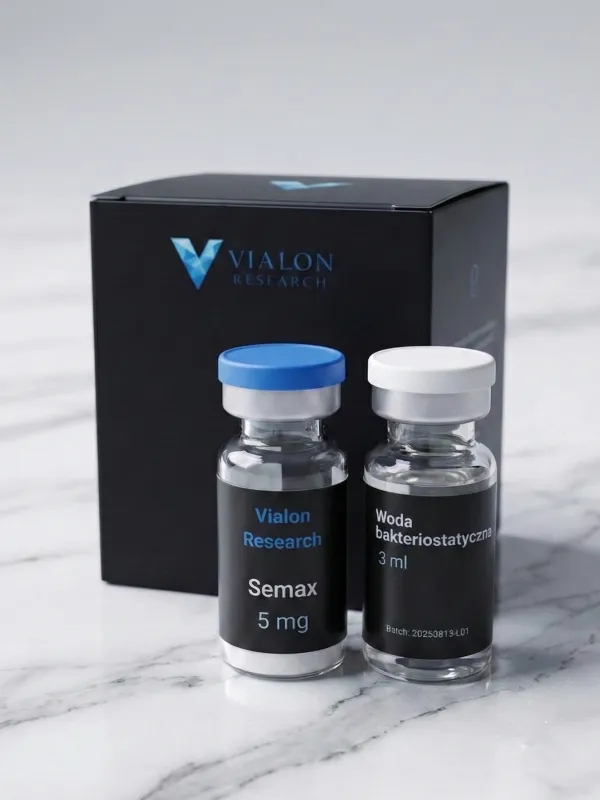
Heptapeptide · ACTH(4-7) fragment
Rated 5.0 out of 5 (1 review)
PLN 60.00
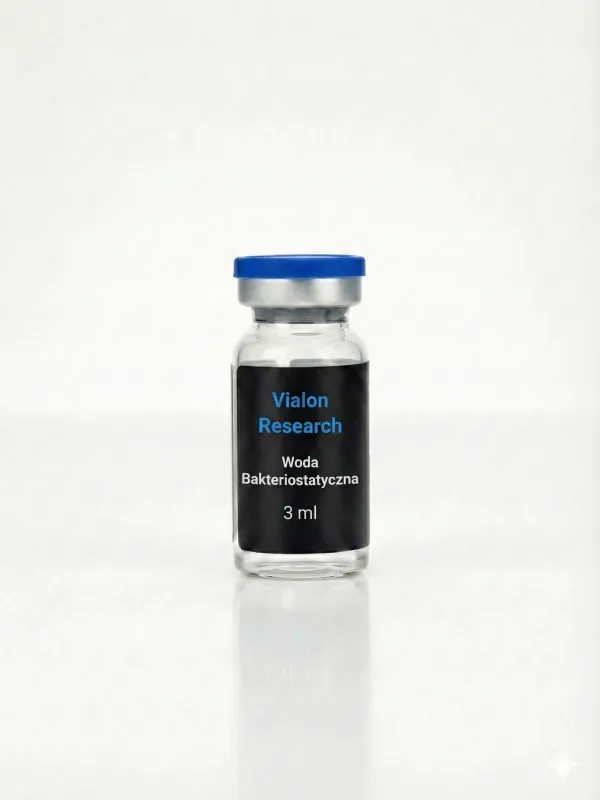
Sterile solution with 0.9% benzyl alcohol
No reviews
PLN 11.99
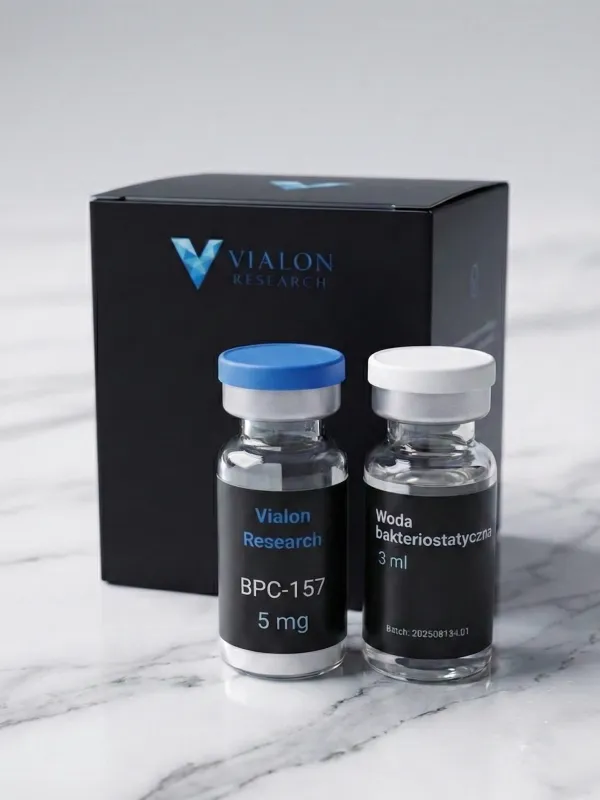
Gastric pentadecapeptide · 15 amino acids
Rated 4.7 out of 5 (3 reviews)
PLN 129.00
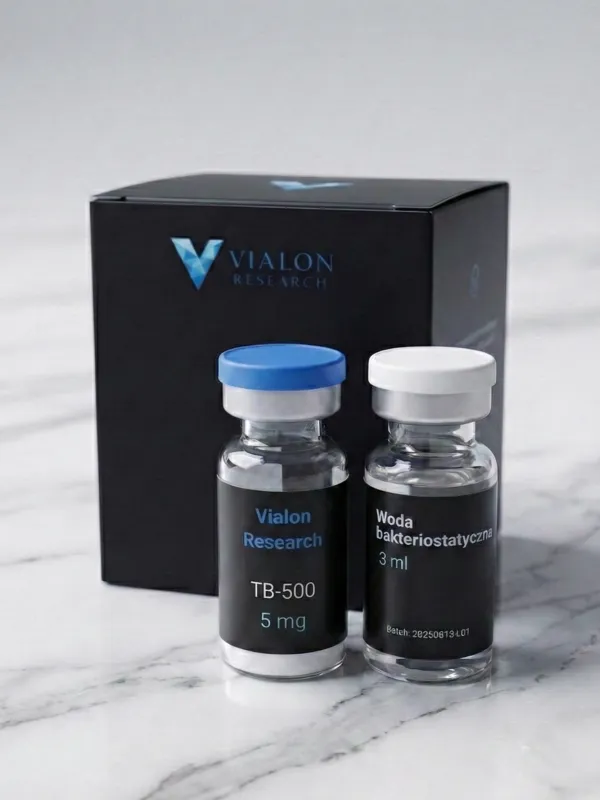
Thymosin beta-4 fragment · 43 amino acids
Rated 5.0 out of 5 (1 review)
PLN 149.00
Selank
PLN 128.00